Landscape Design in Schenectady, NY: Design, Installation and Mulching
Planting Beds, Mulch, River Rock, Shrubs and Trees for Homes and Churches in Schenectady, Rotterdam, Guilderland and Albany
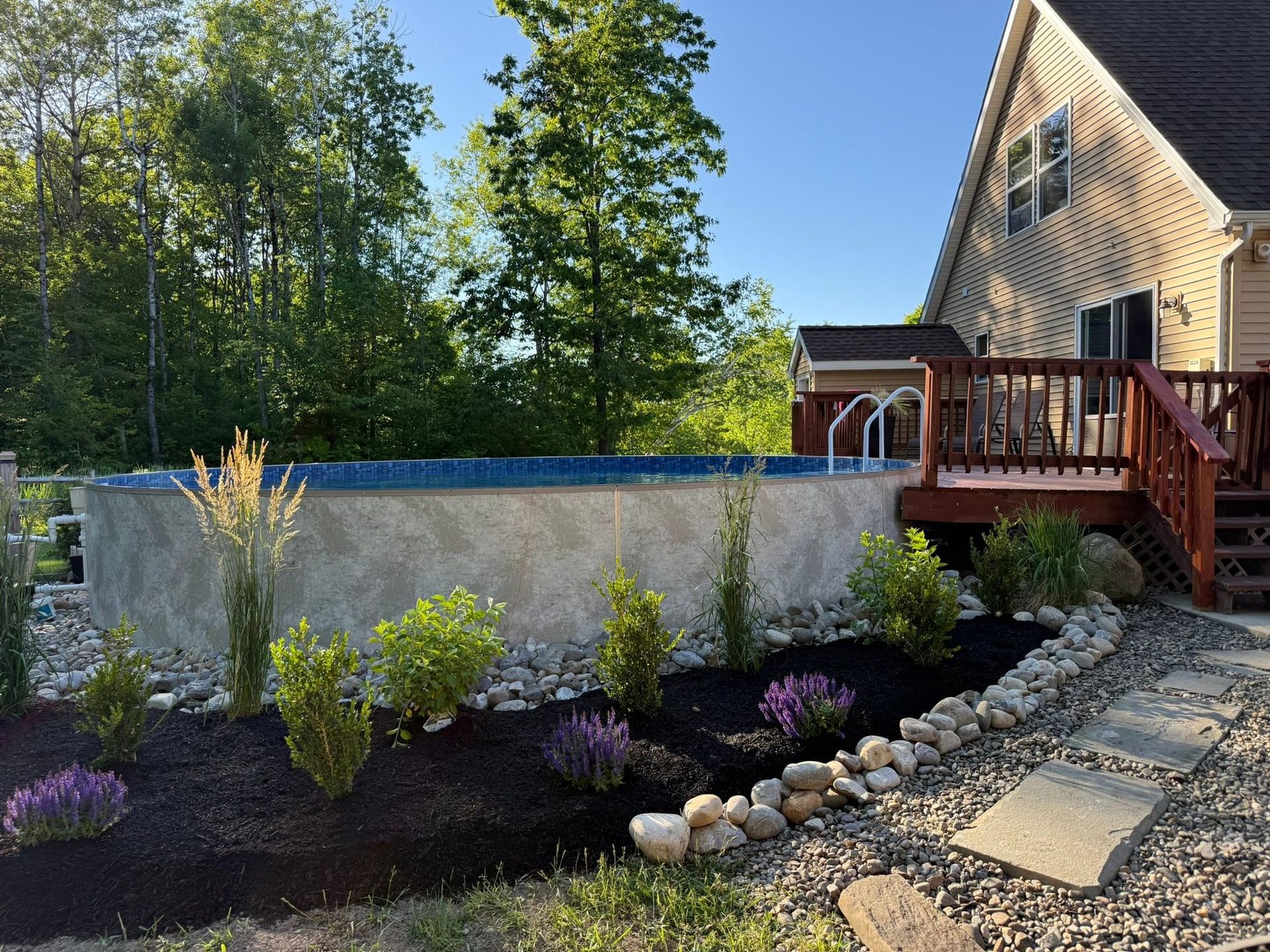
Lake Connection Excavation & Landscaping offers landscape design and installation in Schenectady, NY, for homeowners and churches across Schenectady County and nearby parts of Albany County. We plan and install new planting beds, refresh tired ones, set river rock and decorative stone, plant shrubs, ornamental grasses and small trees, and finish beds with fresh mulch. Landscape design and install is work our family really enjoys, and our recent projects range from beds around backyard pools and patios to the grounds of a large church near us. Call (518) 852-2869 to talk about your yard.
Call (518) 852-2869Landscape Design and Installation in Schenectady
Landscape Design That Starts With Your Property
Landscape design starts with walking the property and listening to how you want to use it. We look at where the sun hits through the day, where water runs after a storm, what is already growing and what you see from the street and from your windows. From there we talk through bed shapes, plants and materials, and put together a plan and a price for the work. Good design fits the house and the yard you have, and it leaves you with a space that is easy to keep looking good.
Landscape Installation
Once you are happy with the plan, our crew installs it. That can mean removing old shrubs and tired beds, shaping new bed lines, bringing in soil, setting stone, planting and finishing everything with fresh mulch. Because our business grew out of both landscaping and excavation work, moving soil and preparing the ground are part of the same job for us. You get one company responsible for the work from the first shovel to the final cleanup.
Front Yard and Entry Landscaping
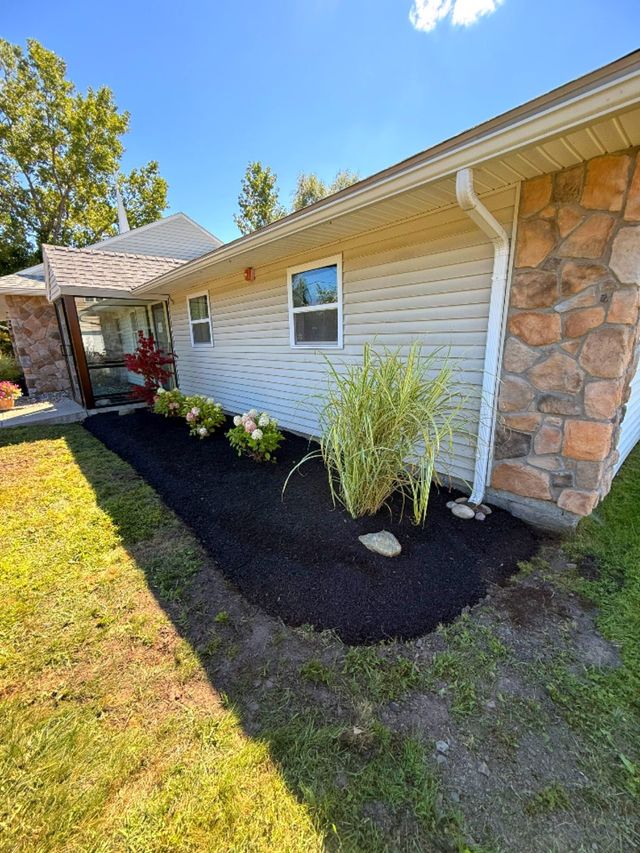
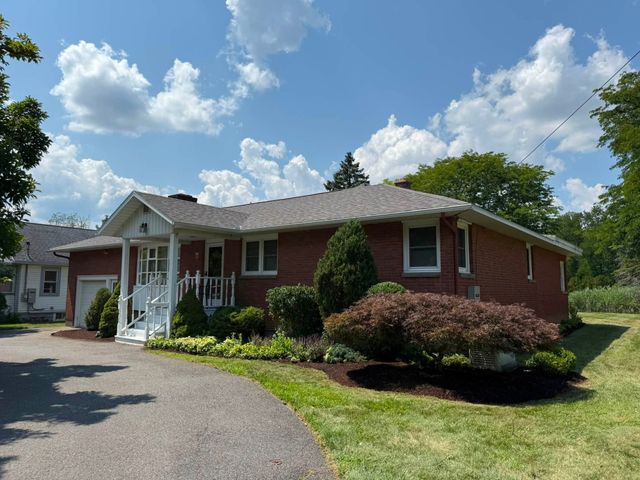
The front of the house is what you and everyone else see first, and a few well-placed beds make a bigger difference there than anywhere else on the property. Front yard landscaping usually means foundation beds that soften the line where the house meets the ground, a bed or stone border along the walk, and plantings that frame the entry without blocking windows. We plan these beds around the style of the house and how much upkeep you want, so the front of your home looks finished in every season.
Backyard Beds Around Patios, Decks and Pools
Backyards are where families spend their time, and the edges of a patio, deck or above-ground pool are often left as bare soil or patchy grass. Planting beds with mulch, river rock and low shrubs turn those edges into part of the yard, hide pool walls and deck framing and keep mud from being tracked onto the patio. Several of our recent projects are backyard beds like these, finished with black mulch, river rock borders and ornamental grasses.
Church Landscaping
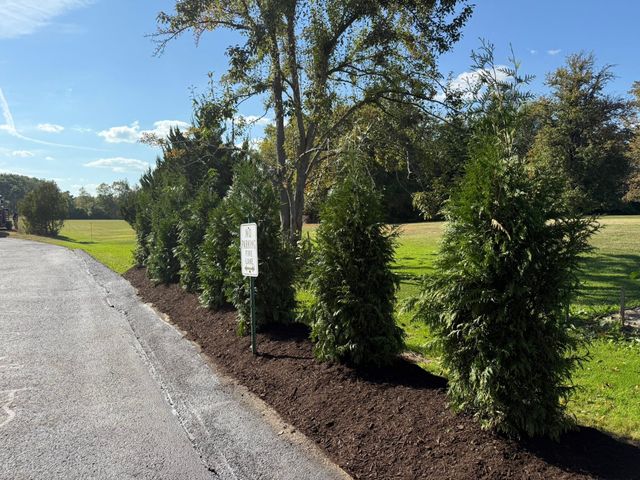
Church grounds are a regular part of our work and a niche for our business. A church's beds and lawn are seen by the whole community, and they need to look welcoming for services, weddings and funerals in every season. We recently completed a large landscaping project at a church near us, with fresh mulch beds, boulders, shrubs and river rock along the entrance, and those photos are some of the best on this site.
Mulch, Stone and Plantings
Mulching and Mulch Bed Installation
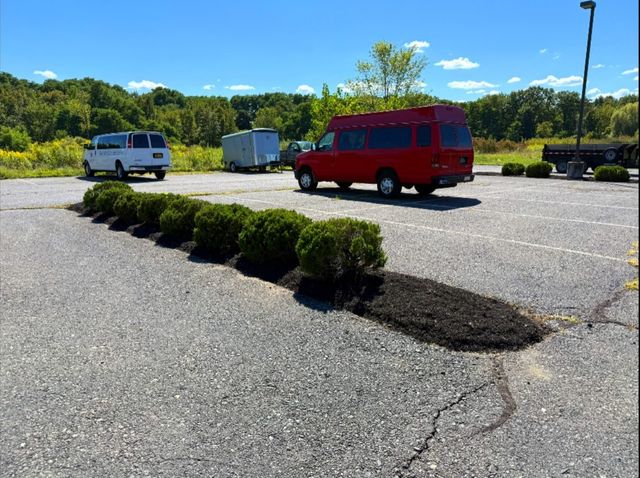
Mulch is one of the simplest ways to make a property look cared for, and it does real work for your plants. A fresh layer holds moisture in the soil, keeps roots cooler in summer, slows weeds and gives beds a clean edge against the lawn. It goes down about two to three inches deep and stays pulled back from tree trunks and siding, where piled mulch traps moisture and invites rot and insects. We install new mulch beds and refresh existing ones, and mulching pairs well with a regular mowing schedule.
River Rock and Decorative Stone Beds
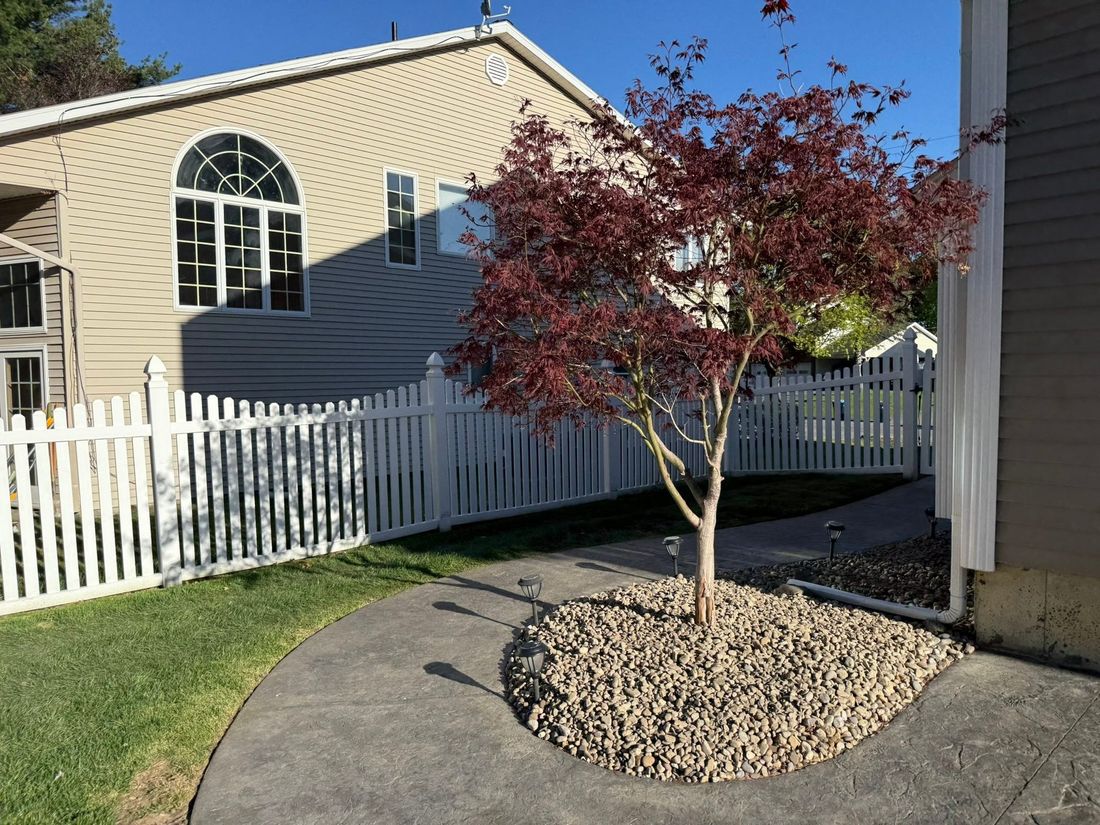
River rock and decorative stone give a bed a permanent edge and a different texture than mulch. Stone works well along foundations, around downspouts, in narrow strips where mulch washes out and as a border between a mulched bed and the lawn. Many of our beds combine the two, with river rock framing a planting area or circling a tree. Stone costs more up front than mulch, but it does not break down, so it does not need to be topped up every year.
Shrubs, Ornamental Grasses and Trees
Plants are what make a landscape feel alive, and in the Capital District they also have to make it through cold winters, heavy snow and hot, dry spells in summer. We plant shrubs, ornamental grasses, perennials and small trees, such as the Japanese maples that show up in several of our beds, and space them for the size they will reach rather than the size they are on planting day. Setting each plant at the right depth and watering it well through the first season are what get new plantings established.
Refreshing Tired or Overgrown Beds
Not every landscape project starts from bare ground. Many beds just need to be brought back: overgrown shrubs cut back or removed, weeds pulled, bed lines reshaped and a fresh layer of mulch or stone put down. A bed renovation keeps the healthy plants you already have, replaces the ones that have struggled and gives the whole bed a clean edge again. It is often the quickest way to make an older property look cared for without starting over.
Planning a Landscape Project in the Capital District
Choosing Plants for Capital District Winters
Plants in the Capital District have to survive cold winters, heavy snow piled against them and road salt near the street. The safest choices are shrubs, grasses and perennials known to be hardy here, planted where snow from the roof and the plow won't crush them. We keep those conditions in mind when we choose plants, so the bed that looks good in June is still in good shape after its first winter.
Sun, Shade and Drainage
Every yard has spots that bake in afternoon sun, corners that stay shaded and low areas that stay wet after rain. Matching plants to those conditions matters more than anything else in how a landscape holds up. Before we plan a bed, we look at how much sun it gets and where the water goes, and we pitch new beds so water flows away from the house instead of toward it.
The Best Time of Year to Plant
Spring and early fall are the best times to plant in the Capital District. Cool temperatures and steady rain let roots grow before the plants face summer heat or winter cold. Mulching and bed work can happen anytime the ground isn't frozen, and having new beds in by late spring means you can enjoy them all summer.
What Changes the Price of a Landscape Project
The size of the area, the number and size of the plants, the amount of mulch or stone, and how much old material has to come out first all affect the price. Access matters too, since a backyard that equipment can't reach takes more hand work. We walk through these choices with you and give you a price before work starts, so you can adjust the plan to fit your budget.
Why Choose Lake Connection Excavation & Landscaping for Landscaping
A Family-Owned Landscaping Company
Lake Connection Excavation & Landscaping is a family-owned and operated business run by Katelyn and her husband. Katelyn started mowing lawns as a teenager and never stopped, and her husband brought excavation, site work and tractor work to the business. Katelyn works with the crews and on the jobs herself, so the owners stay close to the work and see how each job looks when it is finished.
Site Work and Landscaping Under One Roof
Our business brings together two trades that usually belong to different companies: lawn mowing, landscaping and cleanups on one side, and site work such as gravel shed pads on the other. That combination means you can call one company to prepare the ground for a new shed, plant the bed beside it and keep the lawn around it mowed all season.
What Our Customers Say
Every one of our 8 Google reviews gives Lake Connection Excavation & Landscaping five stars, for a 5.0 rating. Customers describe our crew as friendly, helpful, quick and professional and our service as reliable and timely, and that holds on a landscape install just as much as on a mowing account. Two of those reviews, including one about our mowing and mulching, are below, quoted word for word.
Amazing job mowing and mulching! Thank you!!
Jennifer P., Google review
Awesome, reliable, timely service. Highly recommend these landscaping business!
Christina P., Google review
Landscape Design Across Schenectady County and Albany County
Lake Connection Excavation & Landscaping designs and installs landscapes in Schenectady and Rotterdam, where most of our work is, and in Guilderland, parts of Albany County including Albany, Duanesburg and Amsterdam. We are based at Mariaville Lake, west of Schenectady. If you are looking for a landscape designer near you and aren't sure whether your property is in range, call and tell us where you are.
Landscape Design FAQs
It depends on the project. A mulch refresh costs far less than a new bed with shrubs, stone and trees, and the size of the area, the plants you choose and the amount of old material to remove all move the price. We give you a price after seeing the property.
Yes. We plan the project with you and then our own crew installs it, so the company that designs your beds is the one that builds them.
Spring and early fall. Cool weather and regular rain give roots time to grow before summer heat or winter cold. Planting in midsummer can work but needs much more watering.
About two to three inches. Thinner layers don't stop weeds or hold moisture well, and thicker layers can keep water and air from reaching the roots. Mulch should always be kept a few inches away from tree trunks and siding.
Most beds need a fresh layer about once a year, usually in spring. Mulch breaks down and fades over the season, so a light top-up keeps the depth and color right without piling it too high.
Mostly for looks. Black, brown and red mulches are dyed, and black is a popular choice because it makes plants and stone stand out. Pick the color that suits your house, and keep it the same each year so beds look even.
Each has its place. Mulch feeds the soil as it breaks down and suits planting beds, while river rock lasts for years and works well along foundations, around downspouts and as a border. Many beds use both.
Yes, in many cases. Healthy shrubs and trees can stay and become part of the new design, while overgrown or struggling plants are removed or replaced.
Yes. Church grounds are a regular part of our work, including mulch beds, plantings, stone and the beds around entrance signs, along with regular mowing.
Yes, if the project involves digging. New York requires a call to 811, Dig Safely New York, at least two full working days before digging so buried utility lines can be marked. Planting holes and new beds can reach those lines.
Call us at (518) 852-2869 or send the quote form with your address and what you have in mind. Photos of the area help, and we will set up a time to walk the property with you.


